


Introducing Kurta Reframe
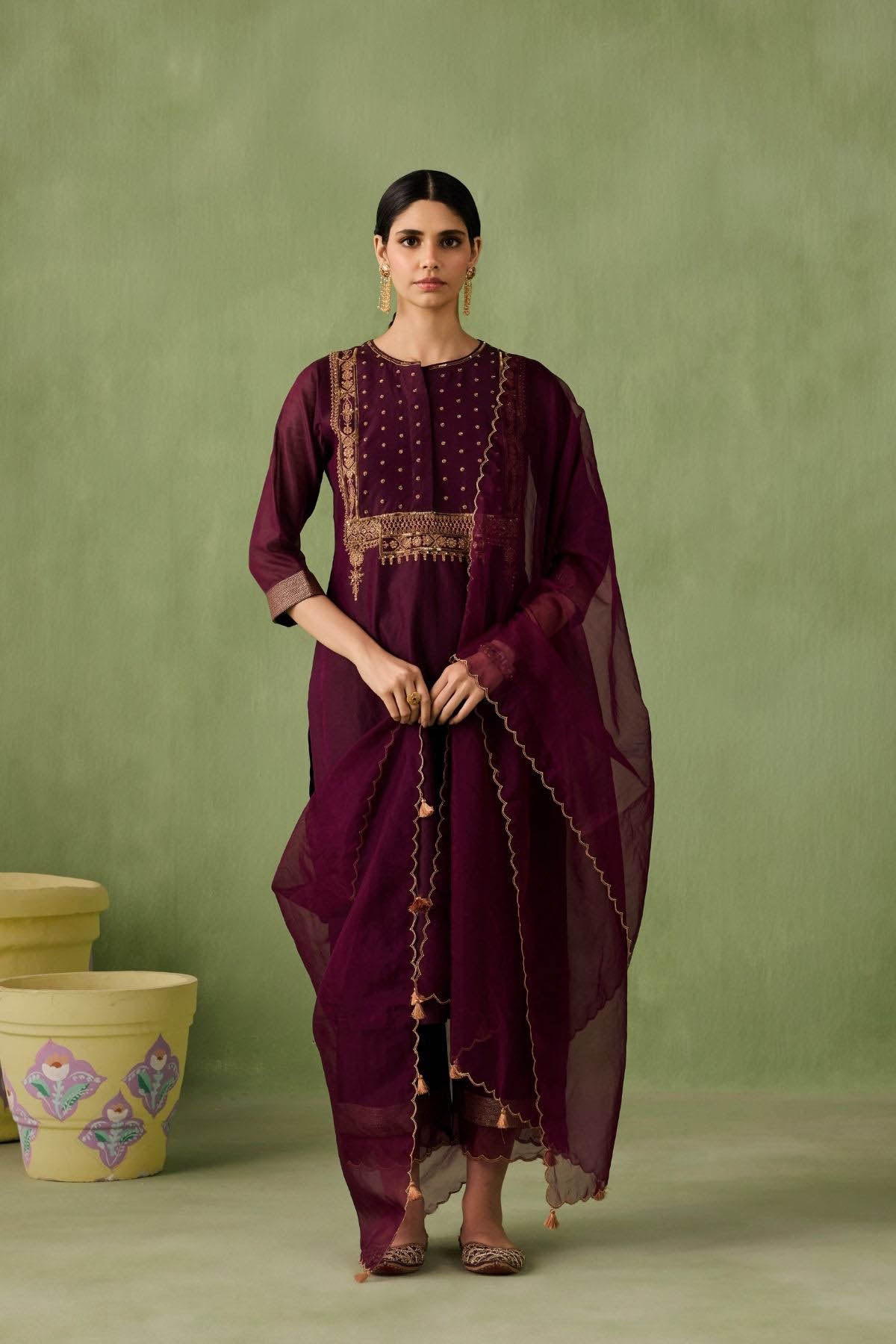
Kurta Reframe is a series that returns to the kurta as a cultural artefact—shaped by time, movement, and lived experience. Long reduced to habit, the garment is looked at again, with care and curiosity. Each chapter traces how the kurta evolves alongside the woman who wears it—rooted in tradition, yet resistant to stagnation.
What is Tactile Vision?
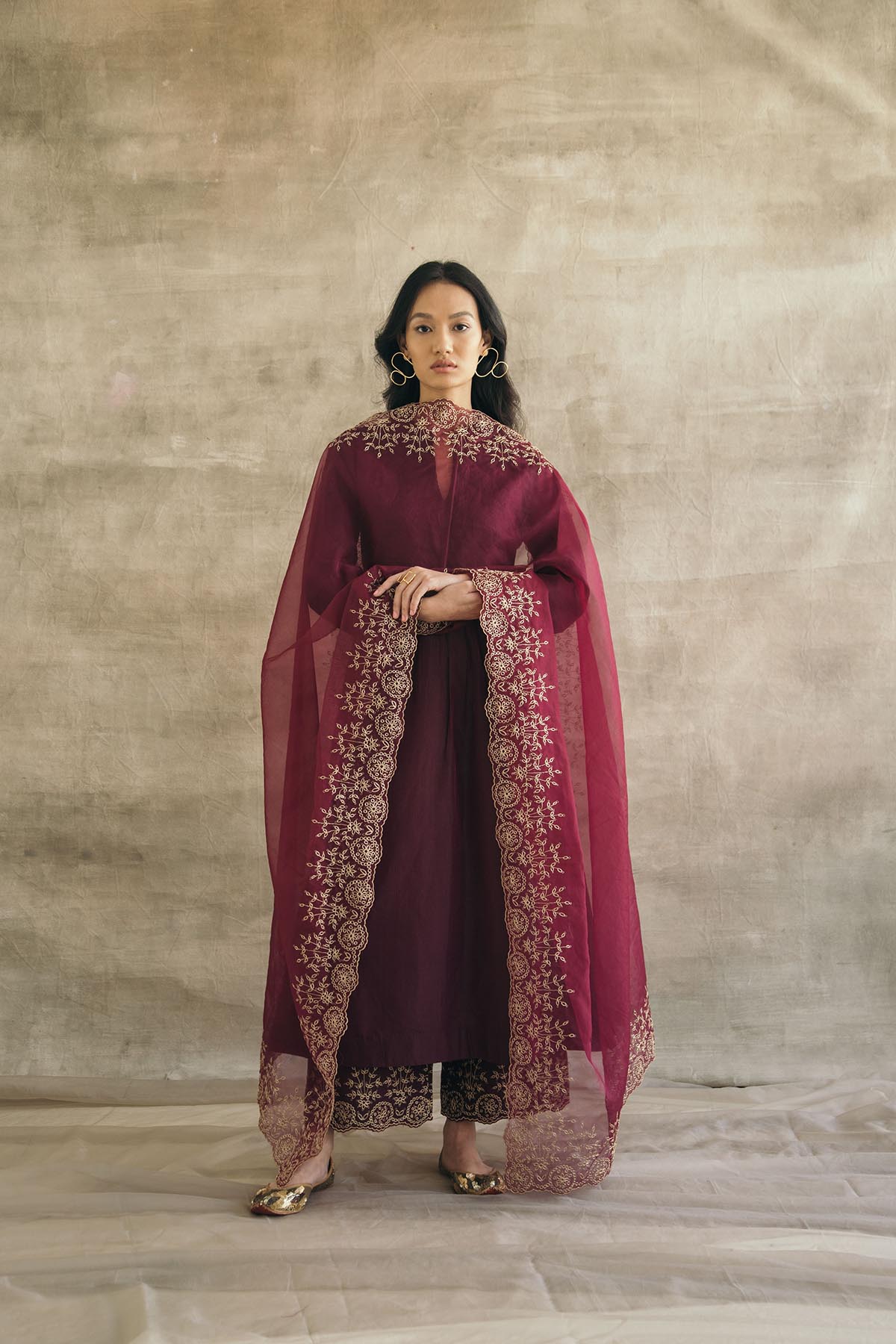
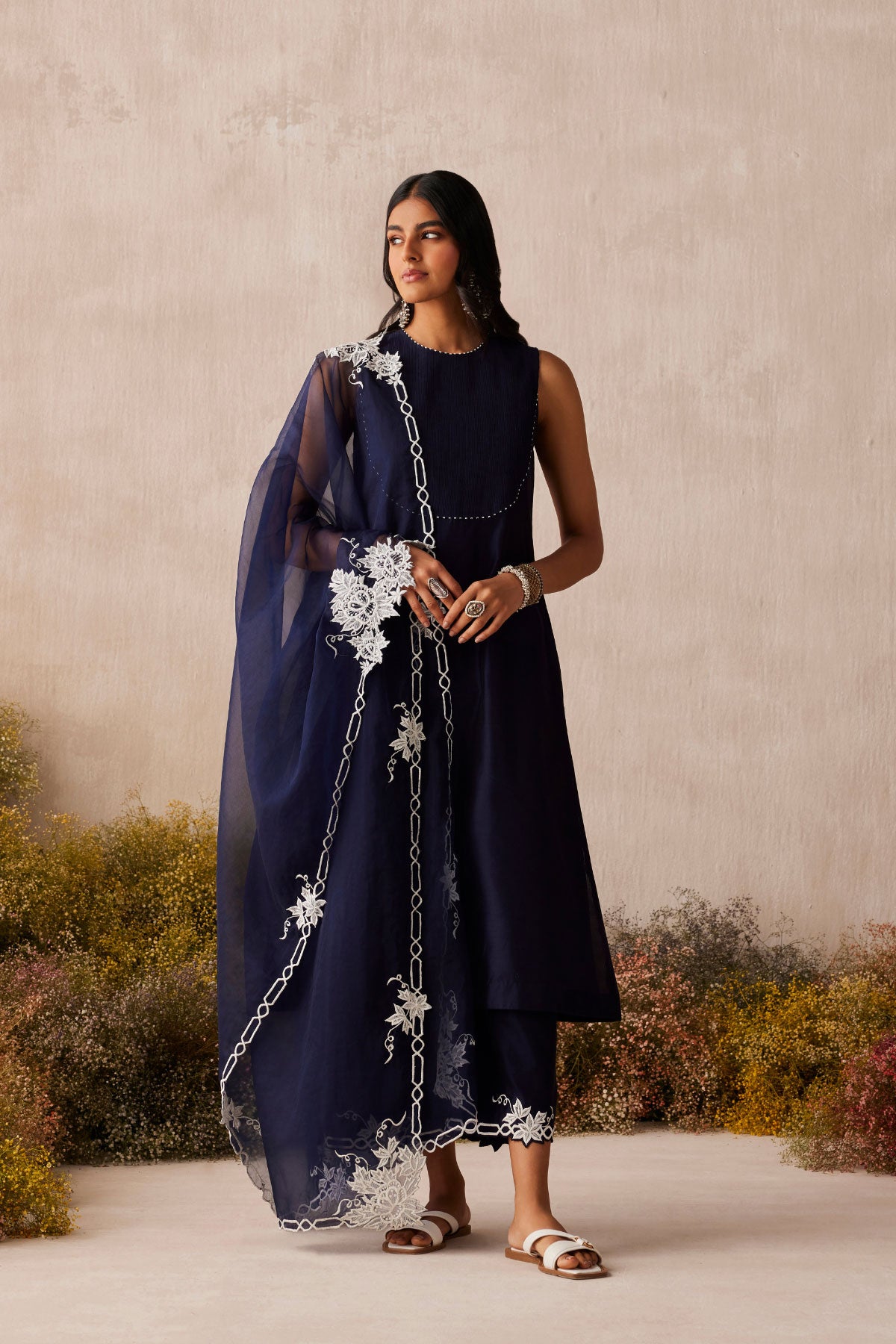
In chapter 1, Tactile Vision, embroidery becomes a way of seeing the kurta with a fresh lens. The art of the karigar on something as ordinary as the kurta makes it sacred. The act of stitching turns a simple silhouette into a living record of time, labour, and intention.

When we focus on embroidery, we are not simply celebrating craft. We are spotlighting the kurta itself, reframing it as a living archive. The kurta becomes a surface that carries memory—of hands, of heritage, of the slow work that cannot be rushed. It becomes a garment that holds history in its threads and presence in its patterns.
But the story does not end with the maker. The gaze of the spectator plays an equal role. Embroidery only becomes meaningful when it is seen, studied, and understood. The attention of the viewer completes the work.
Inside the Act of Making
Embroidered eye patches—handworked surfaces placed gently over the model’s eyes—became a literal interruption of sight, asking us to reconsider how we look. The shoot unfolded inside our factory, where creation takes place daily, uninterrupted. The kurta was not removed from its ecosystem.

Karigars embroidered live, their hands moving as they always do, while the model remained present within that rhythm—watching, touching, exchanging glances, sharing space. The distance between maker and wearer dissolved. What emerged was not a performance, but a shared moment of making.

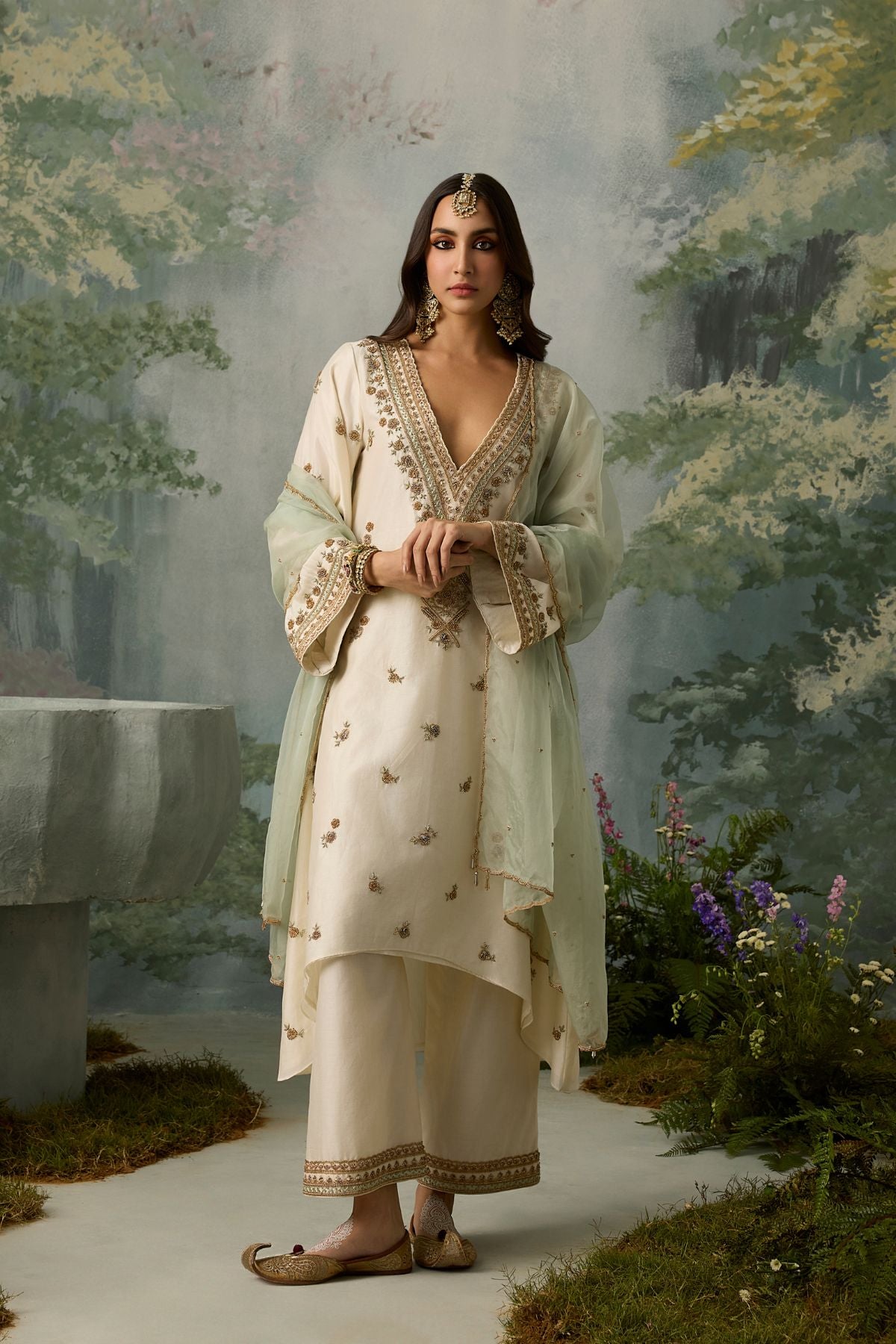
Spotlight: Maru Salwar Set
For centuries, the kurta has acted as a canvas for the subcontinent—a silent substrate carrying the weight of the artisan’s hand. From the arid geometry of Kutch to the fluid botanical weaves of Bengal, the surface of the kurta records the shifting geography of India.
In the Maru Salwar Set, a Mughal style of embroidery takes centre stage.
The Mughal Empire, which dominated India from the 16th to the 18th centuries, had a significant impact on Indian embroidery. The Mughals brought their own techniques and designs with them, which mixed with existing Indian styles to create new and unique kinds of needlework.
This fusion didn’t just add new patterns. It changed the very way embroidery was understood. It became a language of power, prestige, and refinement—an art that was meant to be seen, remembered, and passed down.

In the Maru Salwar Set, this Mughal style of embroidery flourishes through disciplined symmetry and finely articulated florals. Delicate resham threads trace botanical forms reminiscent of Mughal gardens, while the placement follows a measured, architectural rhythm rather than excess.
At first glance, the Maru Salwar Set may appear to be just another kurta set—but when seen through Tactile Vision, it becomes a carrier of the history of our land.

Returning to the Kurta
Embroidery becomes a way of perceiving: a reminder that the ordinary can be sacred when we look with intention. When we notice the craft, we honour the karigar, the heritage, and the time that cannot be rushed. The kurta, then, is not just a garment; it is a cultural artefact that continues to evolve with every hand that makes it and every eye that chooses to recognise it.


